Green AI Governance in Africa: Assessing the environmental cost of the AI Hype

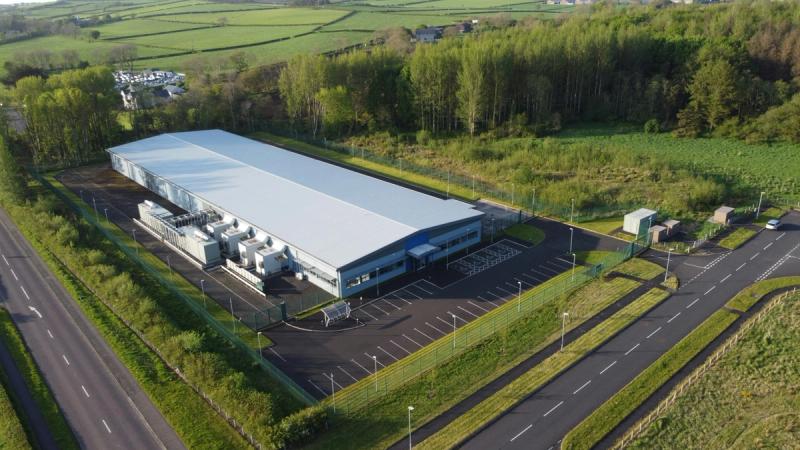
In 2024, Microsoft announced its ambition to build a new data centre in Kenya entirely powered by geothermal energy. The centre is meant to be the biggest in Africa but nearly two years later, little progress has been made. This is partly due to the feasibility of generating enough energy to power an infrastructure project that could utilise more than a quarter of Kenya’s current total energy generation capacity.
Across Africa, national AI strategies are rapidly becoming the primary frameworks defining countries’ ambitions for AI including infrastructure development. There has been a frenzy of adoption in the past year with Zimbabwe, the latest country to adopt a national AI strategy. What is common with all these strategies is the clear recognition of the use case for AI in tackling climate change and driving sustainability. Yet, as these strategies proliferate, a critical question emerges: who is setting the rules for ensuring that AI infrastructure development is environmentally sustainable?
This is the question I was asked to tackle in the 2026 LSE Africa Summit where I participated in a panel on Computing the Climate: AI’s Energy, Water, and Infrastructure Footprint. As African countries race towards attracting investment for big AI infrastructure such as data centres, what governance frameworks determine how much energy it uses, how much water it consumes, and what it leaves behind?
The Missing Piece: Environmental Accountability in AI Governance
The African Union Continental Strategy on AI identifies environmental risks associated with AI systems including those requiring extensive energy consumption for training and operation, and their potential to exacerbate climate change as well as the high demand for fresh water to cool data centers poses a threat to regions already facing water scarcity.
Not all African AI strategies have identified this important risk. While AI is frequently positioned as a tool to address climate and sustainability challenges, far fewer governance frameworks on the continent explicitly grapple with the environmental footprint of AI itself. This gap is becoming increasingly consequential as African countries invest in data infrastructure, cloud computing, and large-scale AI deployments.
Some African countries recognise the adverse environmental impacts of AI infrastructure. For example, in Nigeria’s national AI strategy, sustainability is a guiding principle for AI governance, and it acknowledges that energy and resource consumption warrant a specific focus on green and sustainable AI initiatives. But that is where it stops like most African AI strategies. There are no concrete action plans or operational pathways on how to address this. Like Nigeria’s AI strategy which signals that sustainability matters, Kenya’s national AI strategy claims the country’ access to clean and green energy particularly geothermal gives it a strategic advantage in developing green data centres. Similarly, South Africa’s AI policy framework advocates for values based AI that promotes environmental sustainability. In Lesotho, the draft national AI strategy states that data centres must meet international energy efficiency standards to minimize environmental impact. Similarly, Tanzania’s National AI strategy recognises the importance of aligning AI policies with environmental, social and governance goals to enhance sustainable development, promote AI green infrastructure and attract investors.” In Cote d’Ivoire, the national AI strategy promotes the adoption of low-energy footprint technologies and investment in renewables to power data centres.
These positions create a clear policy rationale for embedding green AI considerations into governance frameworks. However, in contrast, several other countries such as Ghana, Rwanda, Egypt, Mauritius, Mauritania and Zambia make little to no explicit reference to the environmental implications of AI infrastructure. Where sustainability appears, it is often indirect, embedded within broader digital transformation goals such as the use of AI for smart energy grids or improved water management, rather than tied to the lifecycle impacts of AI systems themselves.
This inconsistency points to a broader structural issue around the preoccupation of African AI governance with algorithms, data, and innovation ecosystems, with insufficient attention to infrastructure externalities particularly energy demand, water use, and carbon emissions.
Two bright spots where concrete pathways for the implementation of green AI governance are proposed are in Zimbabwe and Senegal. The Senegalese national AI strategy recognises the need for promoting frugal AI infrastructure and integrating the impact of AI on the environment within the country’s environmental code. In Zimbabwe’s recently released national AI strategy, it requires environmental impact assessments (EIAs) to be conducted before large scale AI deployments to evaluate energy use, carbon footprint and resource consumption. Such EIAs are crucial in advancing collective stewardship for our environment.
Data and Cloud Policies as a Governance Frontier
While national AI strategies are underdeveloped in relation to pathways for building green AI infrastructure, emerging national data and cloud policies tell a different story.
South Africa’s data and cloud policy proposes a more integrated approach. Data centre providers are expected to consider self-provisioning for energy and water, alongside carbon emissions reduction strategies. This signals a shift toward embedding sustainability directly into digital infrastructure governance.
Similarly in Kenya, the cloud policy promotes the adoption of green cloud computing that is linked to the National Energy policy. Kenya is already operationalising this approach with initiatives such as Konza Technopolis development which houses the national data centre and is powered by renewable energy.
In Nigeria’s recently released draft National cloud policy, it promotes the adoption of green cloud technologies with federal public institutions encouraged to procure services from cloud service providers that “utilise energy-efficient data centers and renewable energy solutions to reduce the national carbon footprint.”
As other countries look to develop and adopt cloud policies, adopting green AI governance must be embedded in the policies and move from principle to practice. AI governance cannot be separated from data, cloud and energy policies, water management, and industrial strategy.
Toward an African Green AI Governance Framework
If African countries are to avoid locking in environmentally unsustainable AI pathways, a robust framework would rest on several interconnected pillars including adopting a principles-based approach with clear operational pathways that ensures AI systems should deliver societal benefits without imposing disproportionate environmental costs. Further, the participation of affected stakeholders is key, and communities affected by infrastructure development should have a voice in decision-making related to the development of the infrastructure.
As African states increasingly advocate for digital sovereignty as AI adoption expands, regional coordination and centralisation of infrastructure in identified regional hubs on the continent can achieve the development of environment friendly AI infrastructure. Individually, African states are struggling with generating enough energy to sustain demand and financing the upgrade of national grids to support data centres is an immense challenge. However, concentrating resources into regional hubs where there is already green infrastructure to scale and to serve the continent can improve the goal of collective stewardship and digital sovereignty.
Further, the adoption of an African regional cloud policy is important in ensuring African states prioritise and achieve similar green governance outcomes across the continent. The current AU data policy framework does not address the environmental costs of data centres. A regional cloud policy framework can fix this. Fragmented policy approaches risk duplicating infrastructure investments and amplifying environmental costs. Instead, African countries could pursue shared digital infrastructure models, supported by interoperable data governance frameworks. This could include adopting the model of data embassies excellently articulated in a workshop that the African Observatory on Responsible AI hosted in March 2026. Through data embassies, African states’ broader ambitions towards digital sovereignty can be reframed not simply as control over data, but also as responsibility for how that data is stored, processed, and sustained within African ecosystems.
Conclusion
Africa is in a decisive moment to shape its AI future. The current wave of national strategies provides a foundation but without deliberate integration of environmental considerations, there is a risk of developing unsustainable trajectories that are increasingly being resisted elsewhere. By embedding sustainability into AI and cloud policy frameworks, aligning digital infrastructure with national energy and water management strategies, and fostering regional cooperation, African countries can chart a distinct path that positions its AI governance as a model for responsible, sustainable innovation